The Shadow of Titans: A Genesis in Black and Gold
This watch is not merely a tool to measure time; it is a metaphor for 19th-century Russian genius. Its architecture, caught between a black titanium back and crown, tells a story of transformation and fertile darkness.
The metamorphosis of a name
The choice of titanium is a direct homage to the era that saw Dostoevsky born and Kandinsky’s reflections mature. This metal, discovered at the dawn of this pivotal century, did not always bear its current name. It was first known by the prosaic “menachanite,” a name of earth and sand. But at the threshold of the 19th century, it was rebaptized Titanium, in reference to mythological deities, the sons of the Earth. This renaming, this elevation of raw matter to myth, mirrors the journey of our two artists: to transcend mundane reality in order to reach the sublime and the sacred.
Black: from ink to abyss
Why choose to cloak this titanium in a deep black robe? This black is not merely a color; it is a symbol.
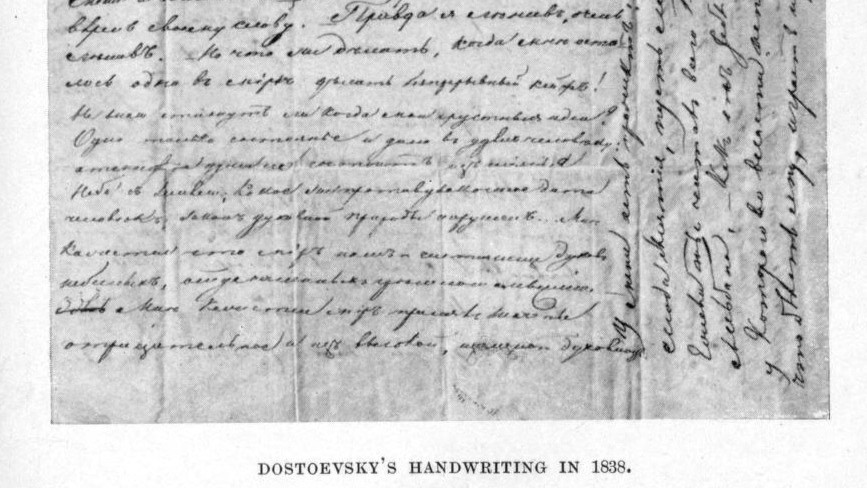
- For Dostoevsky, it is the black of ink, scratching across paper to narrate the sleepless nights of Saint Petersburg and the hidden depths of the human soul. It is the dense matter of reality.
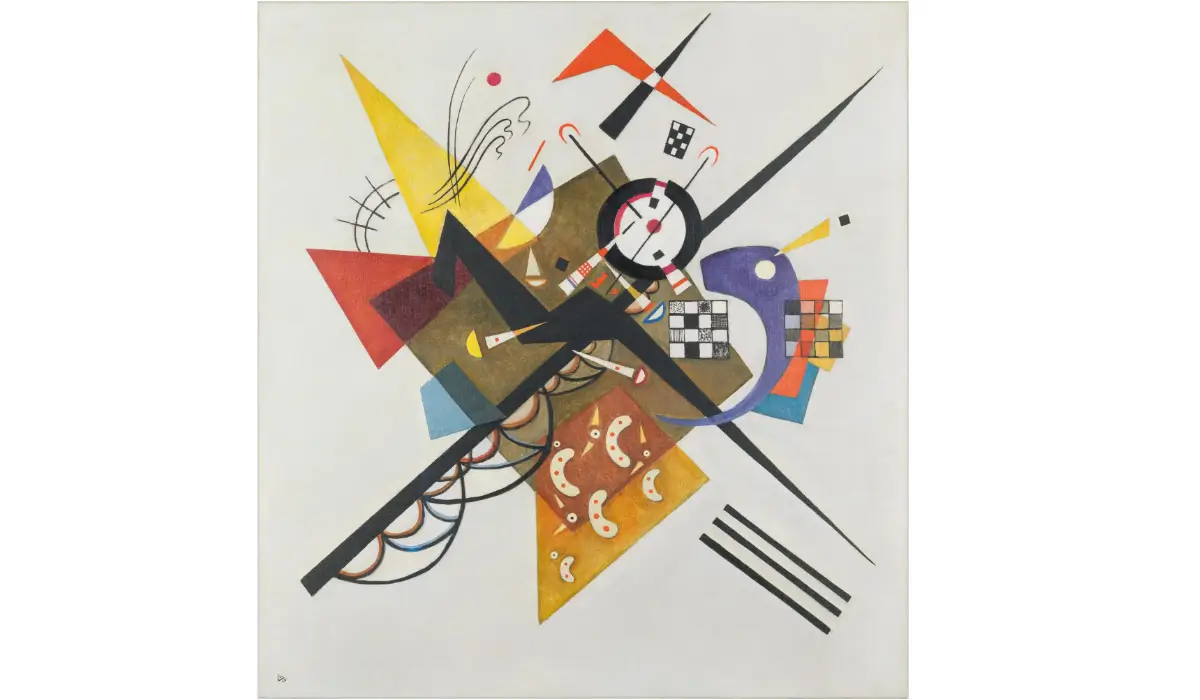
- For Kandinsky, black is eternal silence, the necessary frame that allows the colors of the spirit to sing with precision.
A symbolic architecture
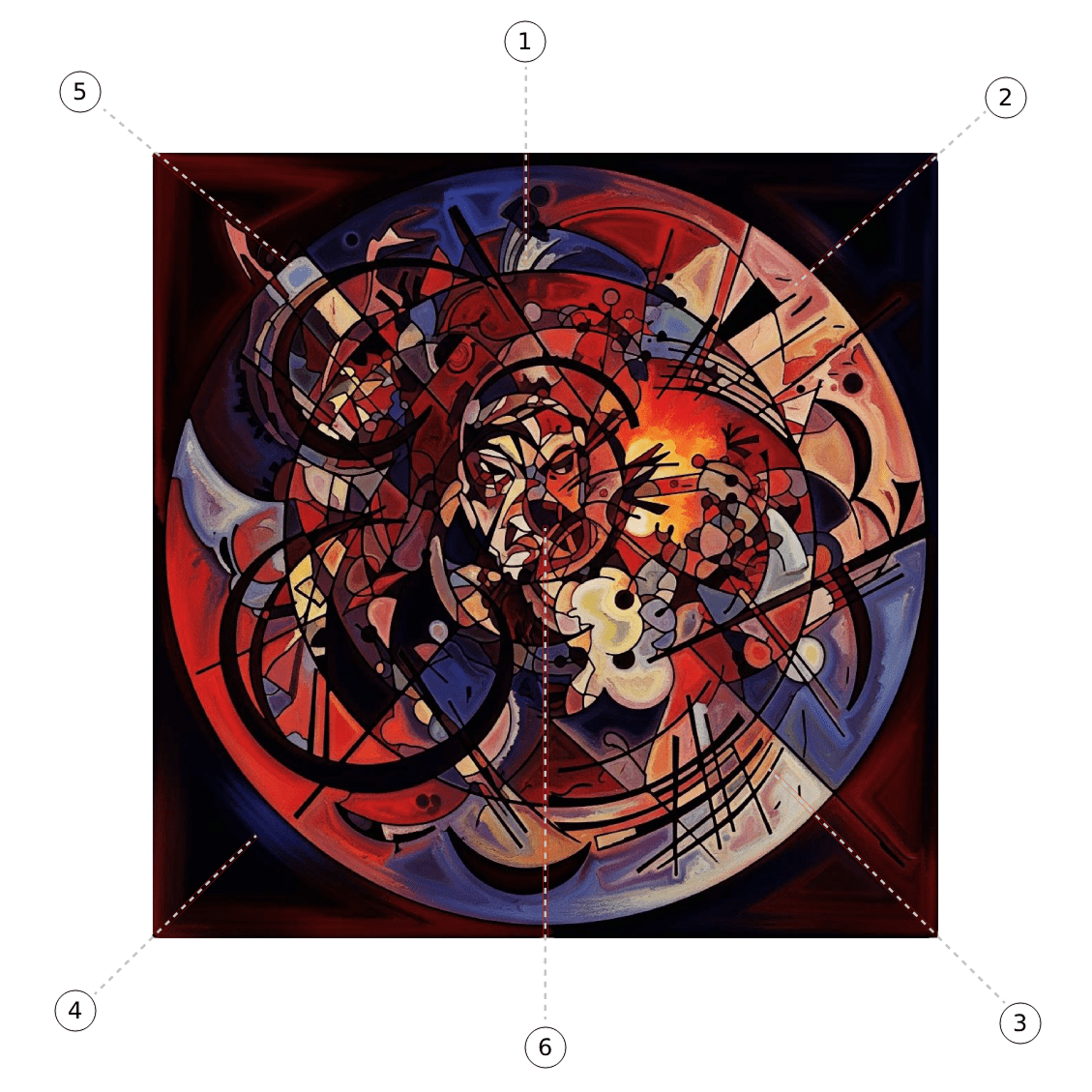
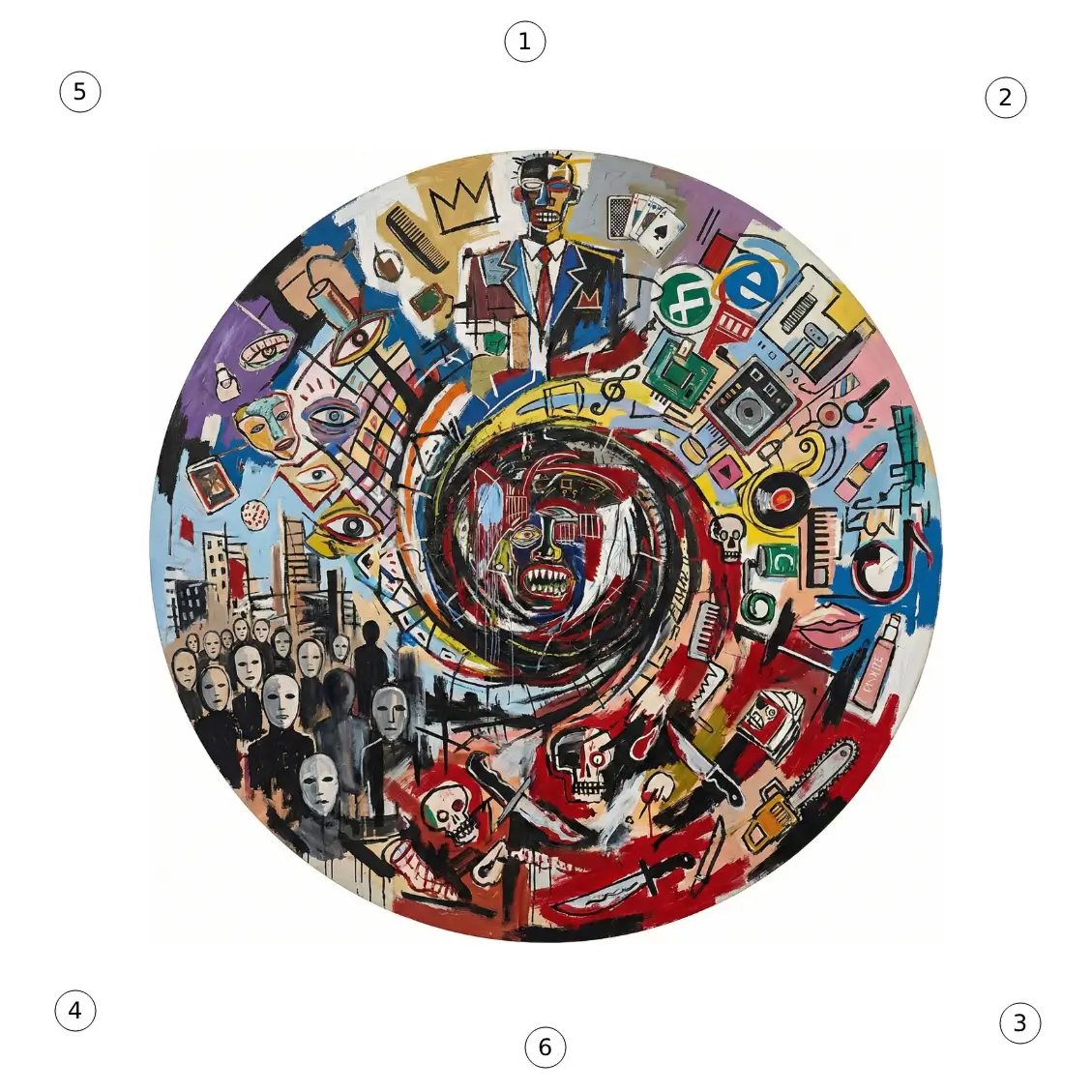
Thus, the vibrant, colorful dial is protected by this dark framework. The crown above (the mind, the head) and the back below (the base, the body) form a nocturnal parenthesis. Black titanium becomes the protective case: solid as a writer’s conviction, light as a painter’s stroke, and dark as the mystery of creation.