American Psycho: The Metaphysical Void of Violence
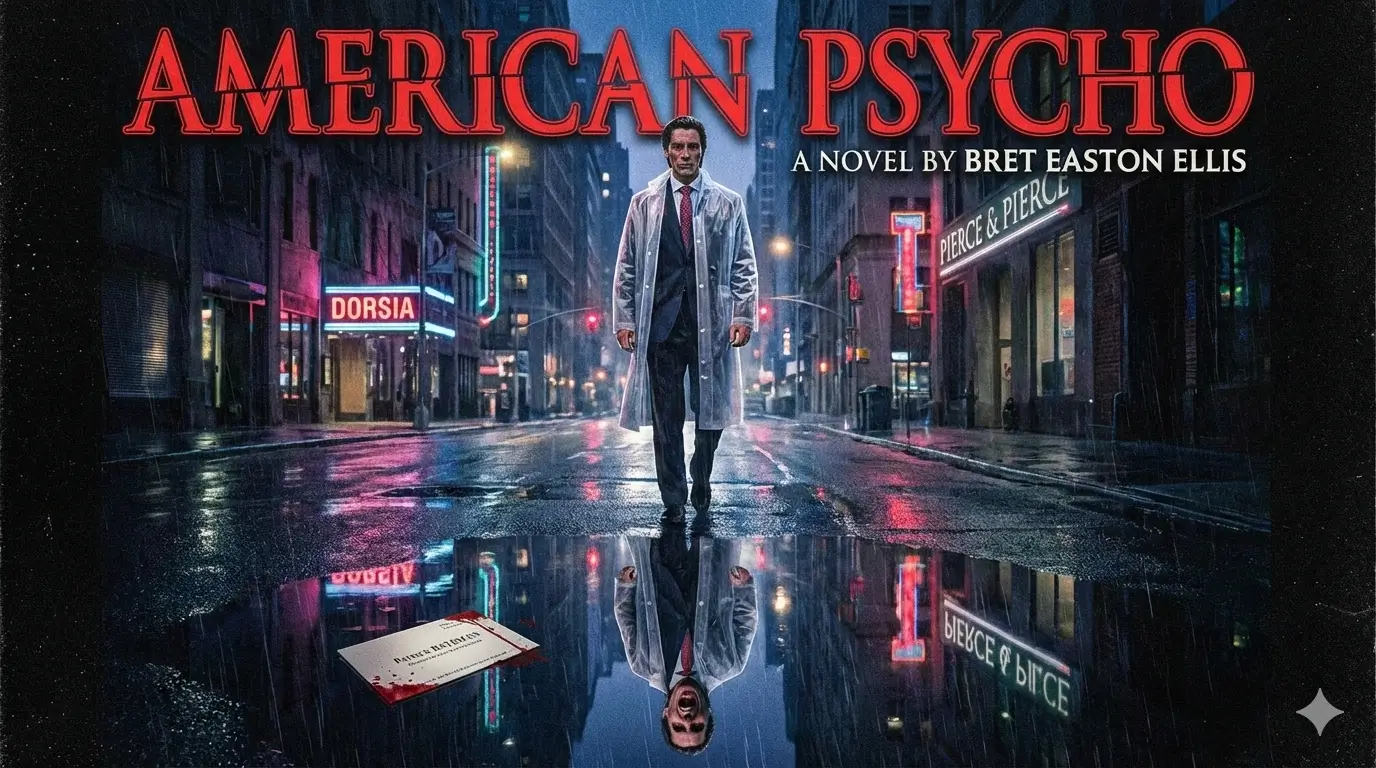
Some literary works do more than tell a story; they tear open a fissure in our perception of reality. American Psycho by Bret Easton Ellis is one of them. To reduce this controversial masterpiece to a satire of the 1980s or a literary slasher is a fundamental mistake. Its machinery of horror is only the visible tip of a far more terrifying philosophical iceberg.
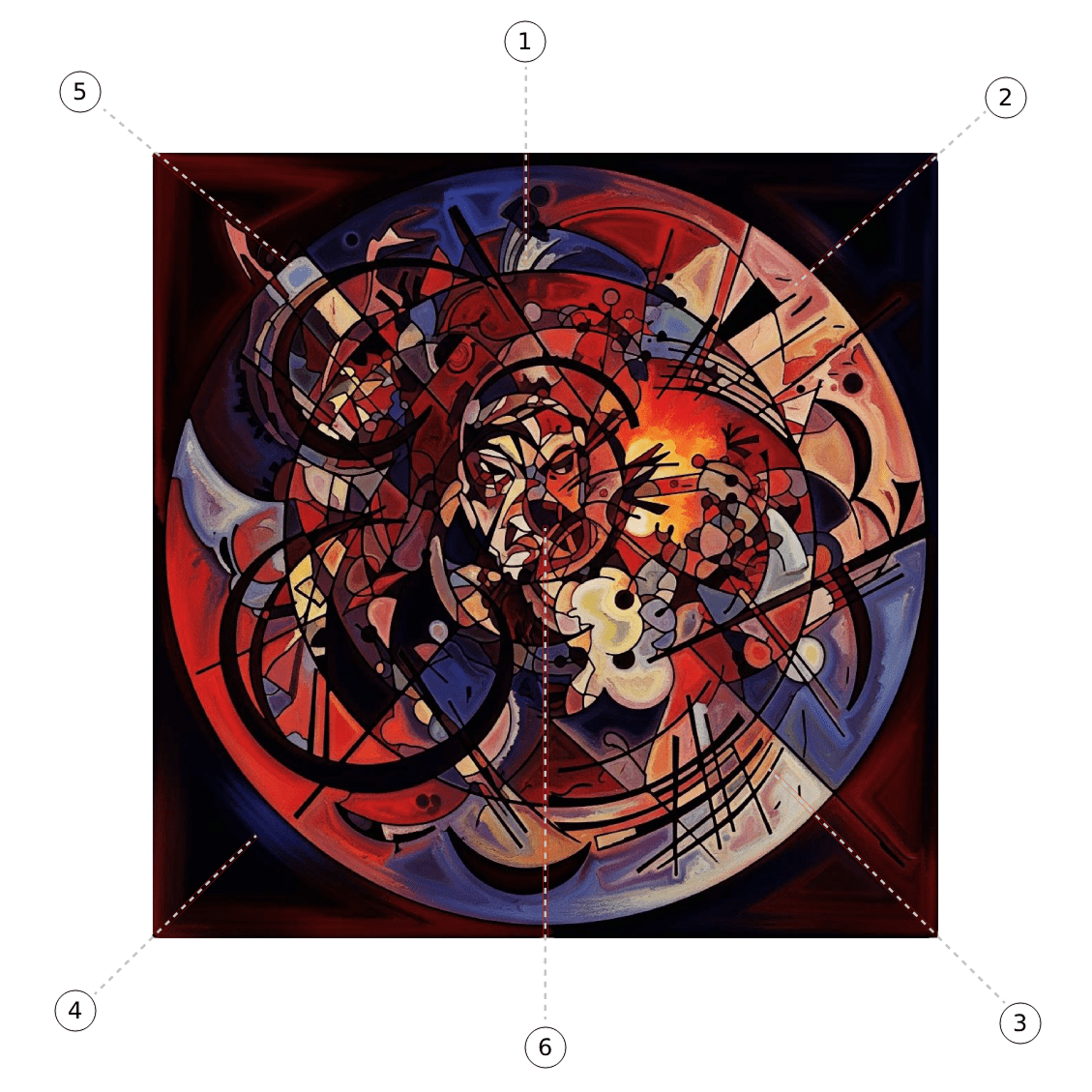
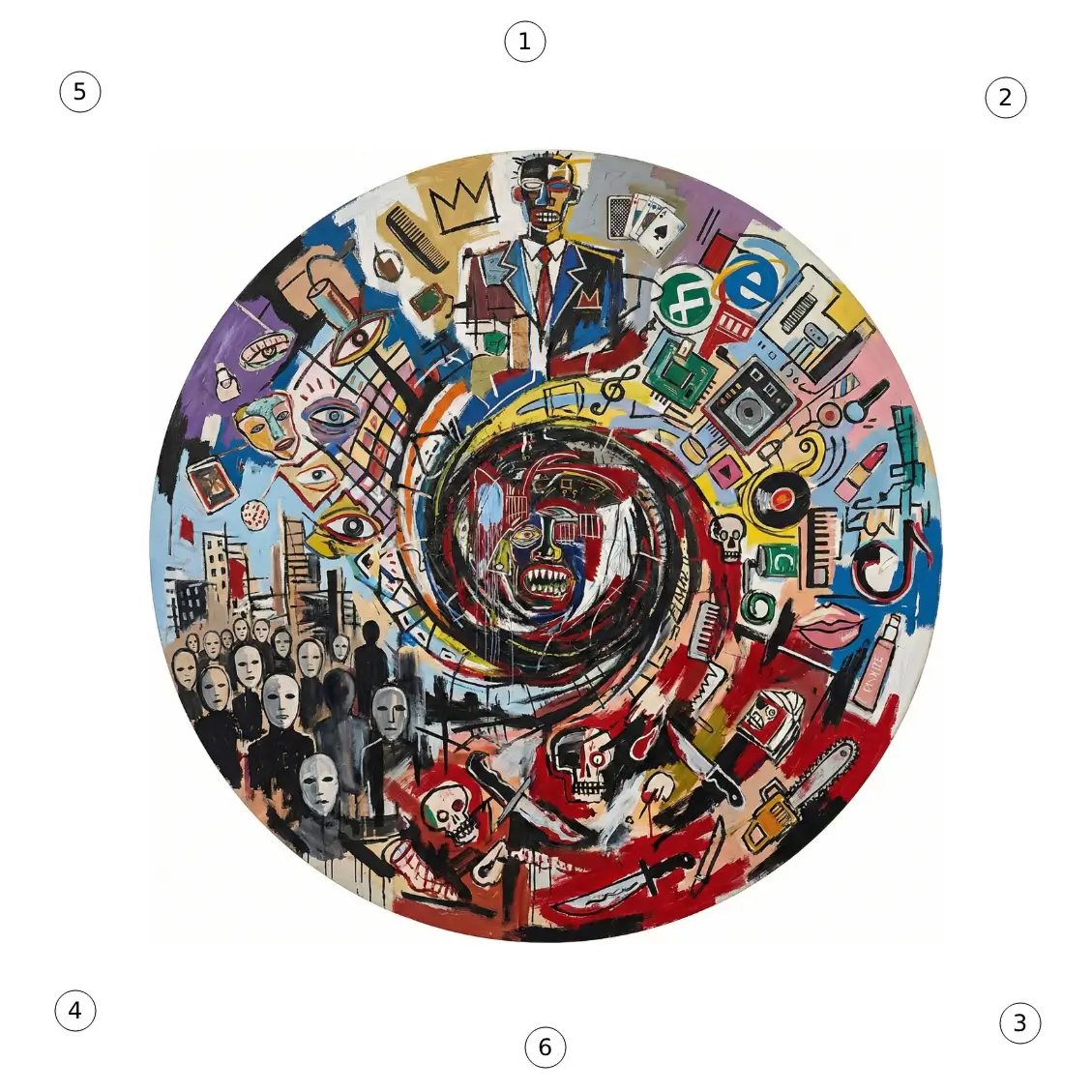
An unprepared reader might see Patrick Bateman’s trajectory as a grotesque tragedy in six acts, coldly timed by a Rolex—a circular, static descent into madness:
The incarnation of the archetype
The introduction of the “golden boy,” a pure product of Wall Street. Rich, handsome, narcissistic, driven not by ideology but by absolute conformity. He embodies Reagan-era yuppie hubris: a life defined by appearance, class contempt, misogyny, and dogmatic superficiality.
The liturgy of the commodity
Identity is built not through spirit but through objects. The novel deliberately sinks into clinical, endless descriptions of cosmetics, clothing, and hi-fi equipment. Hyperconsumption inverts values: objects possess personality and substance, while humans are interchangeable and hollow.
The visceral descent
Beneath the mask of normality, routine collapses into abjection. Bateman’s sadism erupts in torture, cannibalism, and murder. The horror lies in the tone: the same flat detachment used to describe a facial routine narrates disembowelment, exposing total moral aphasia.
The erasure of the individual
Anonymity within the crowd is central. Identically dressed, dining at the same restaurants, characters constantly mistake one another. So absorbed in their own emptiness, no one notices Bateman’s madness; evil thrives through indifference.
The dissolution of reality
The line between fact and fantasy blurs. Talking objects, implausible shootouts—evidence vanishes, Paul Allen’s apartment reappears immaculate. Did Bateman commit these acts, or are they psychotic projections? Certainty collapses.
The absolute impasse
No catharsis. No punishment. No redemption. Bateman realizes he is trapped; his pain is constant yet leads nowhere. The final sentence: “This is not an exit”—seals his fate: there is no escape from this conformist hell.
That is the narrative skeleton—dense, violent. But stopping there misses Ellis’s core insight.
The hell of surfaces
The novel’s true depth lies in a question that echoes The Divine Comedy filtered through the nihilism of Jean Baudrillard.
Bateman is not merely a killer; he is the ultimate symptom of a society turned simulacrum. Unlike Rodion Raskolnikov, he does not believe he can correct the world. He realizes there is no world to correct: only surfaces.
Through atrocity, he tries to feel something, to pierce the glossy crust of reality and reach a truth, even a bloody one. He seeks reaction, consequence, recognition. Here the existential dimension emerges: what if hell is not fire and brimstone, but the impossibility of being acknowledged as guilty? A world where even evil is absorbed, digested, neutralized by apathy.
Bateman’s tragic illusion is believing his acts carry weight. He hopes punishment will validate his existence. But consumer society absorbs everything and returns him to anonymity.
The vertigo that grips both reader and protagonist comes from this realization: in a world ruled solely by materialism, morality is not violated, it is obsolete. Bateman’s nihilism is not a philosophy; it is the air he breathes. He screams his monstrosity into the void, and the world merely inspects his business card.
“This is not an exit” is not an open ending. It is eternal condemnation to remain on the surface. Unlike Raskolnikov, the hero of our first watch, there will be no Siberia, no Sonia, no purifying suffering. There is only the emptiness of appearances.
American Psycho is not the story of a man who kills for pleasure. It is the drama of a consciousness trying to prove its own existence through blood, only to shatter against the icy indifference of a soulless world.