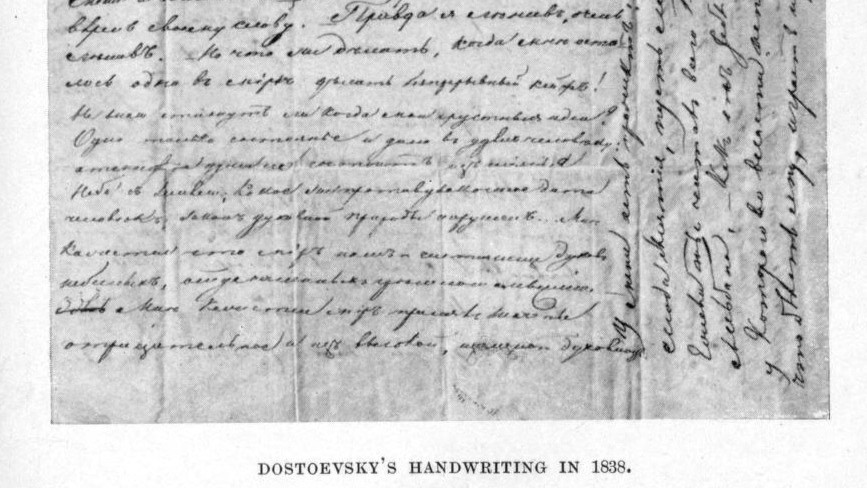
There exist literary works that do not merely recount a story, but rather tear a breach in our perception of reality. Fyodor Dostoevsky’s Crime and Punishment is one such work. To reduce this masterpiece to a mere narrative of an assassination followed
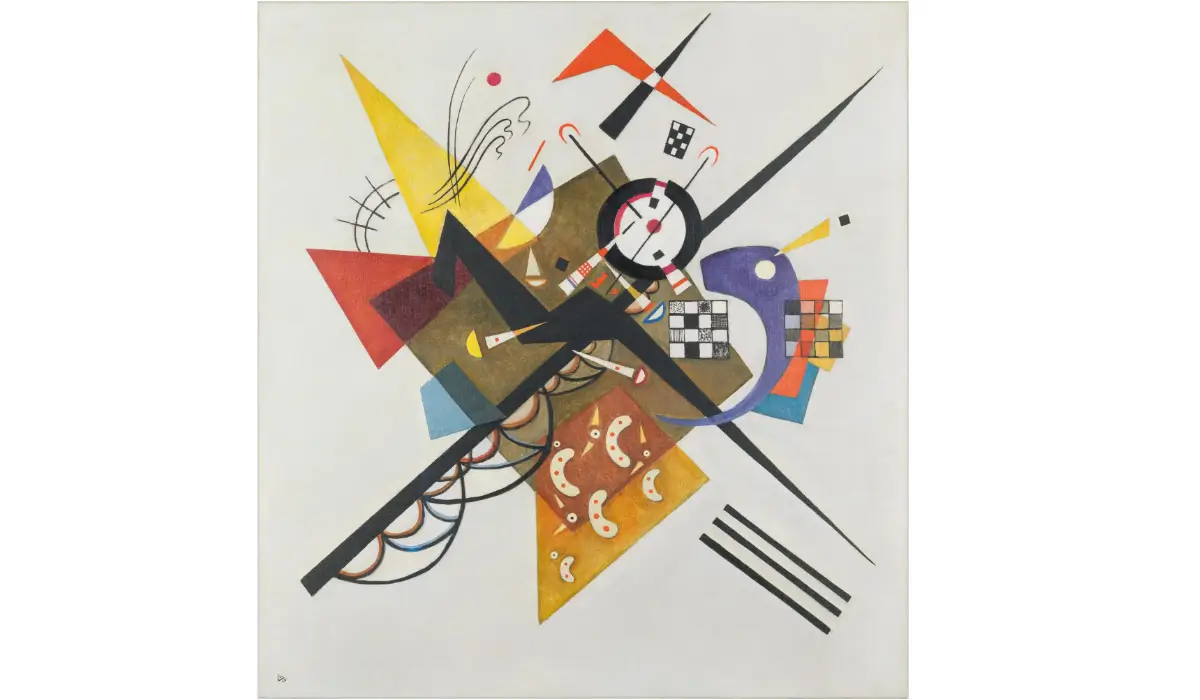
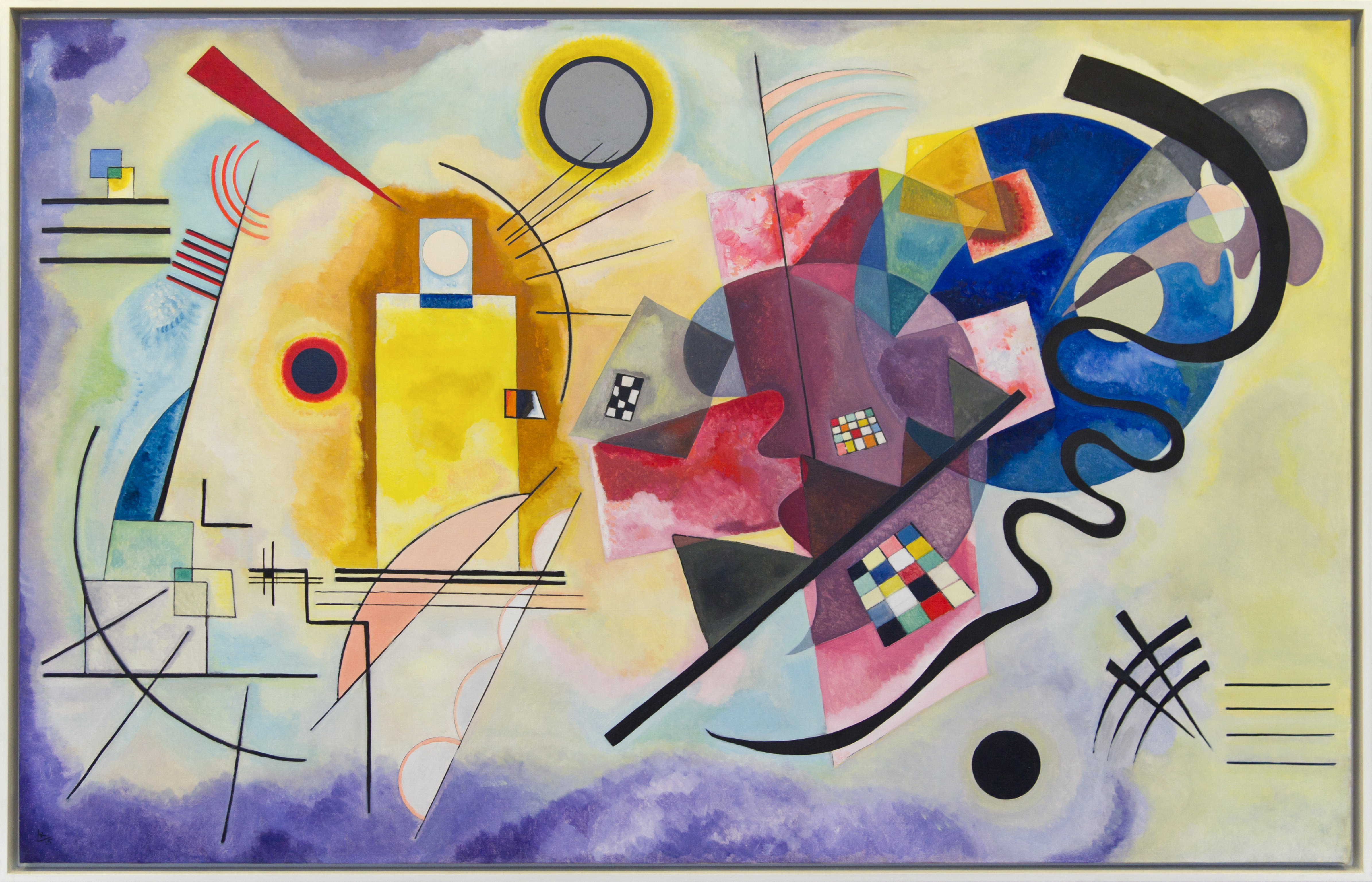
In his masterpiece On White (1923), Wassily Kandinsky does more than just paint shapes; he orchestrates a true celestial machinery. Painted during his years at the Bauhaus, this canvas serves as the theater for a fascinating struggle between mathematical rigor
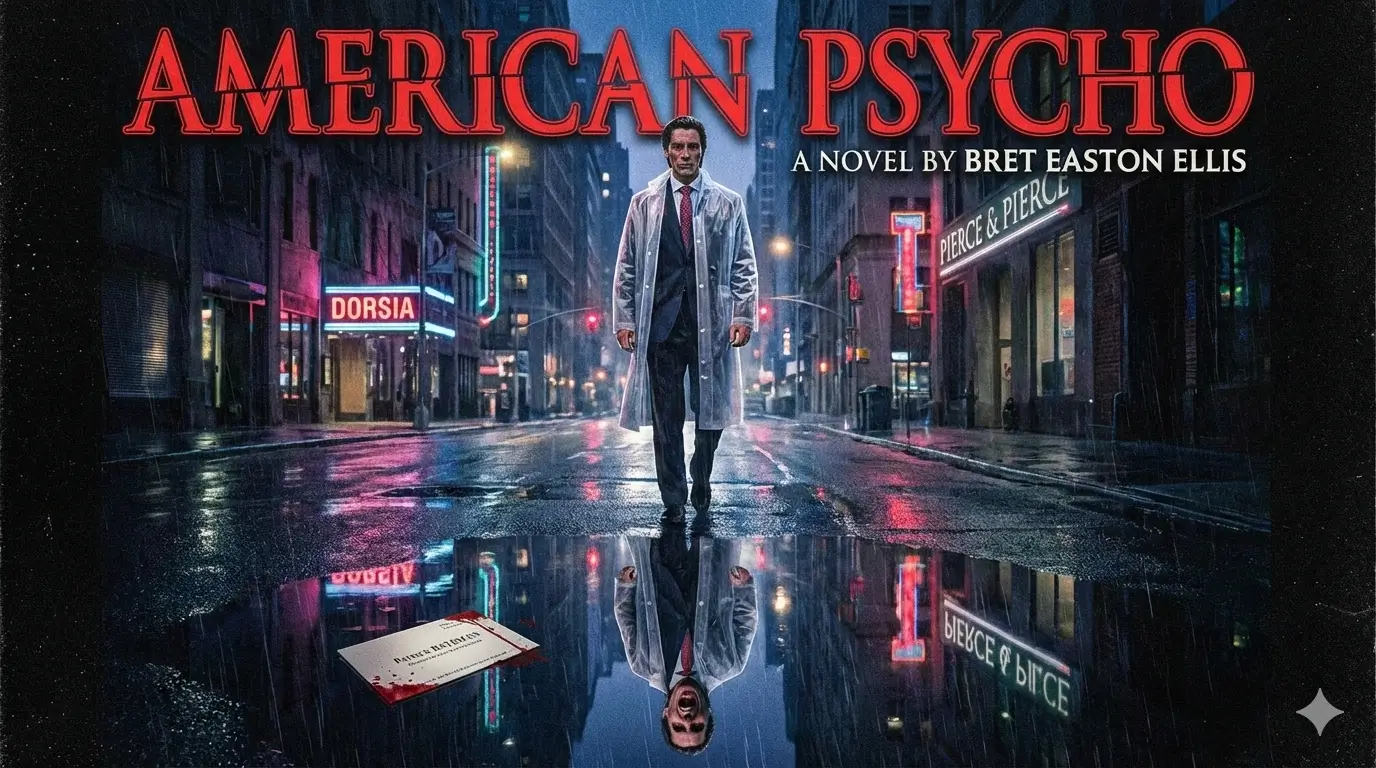
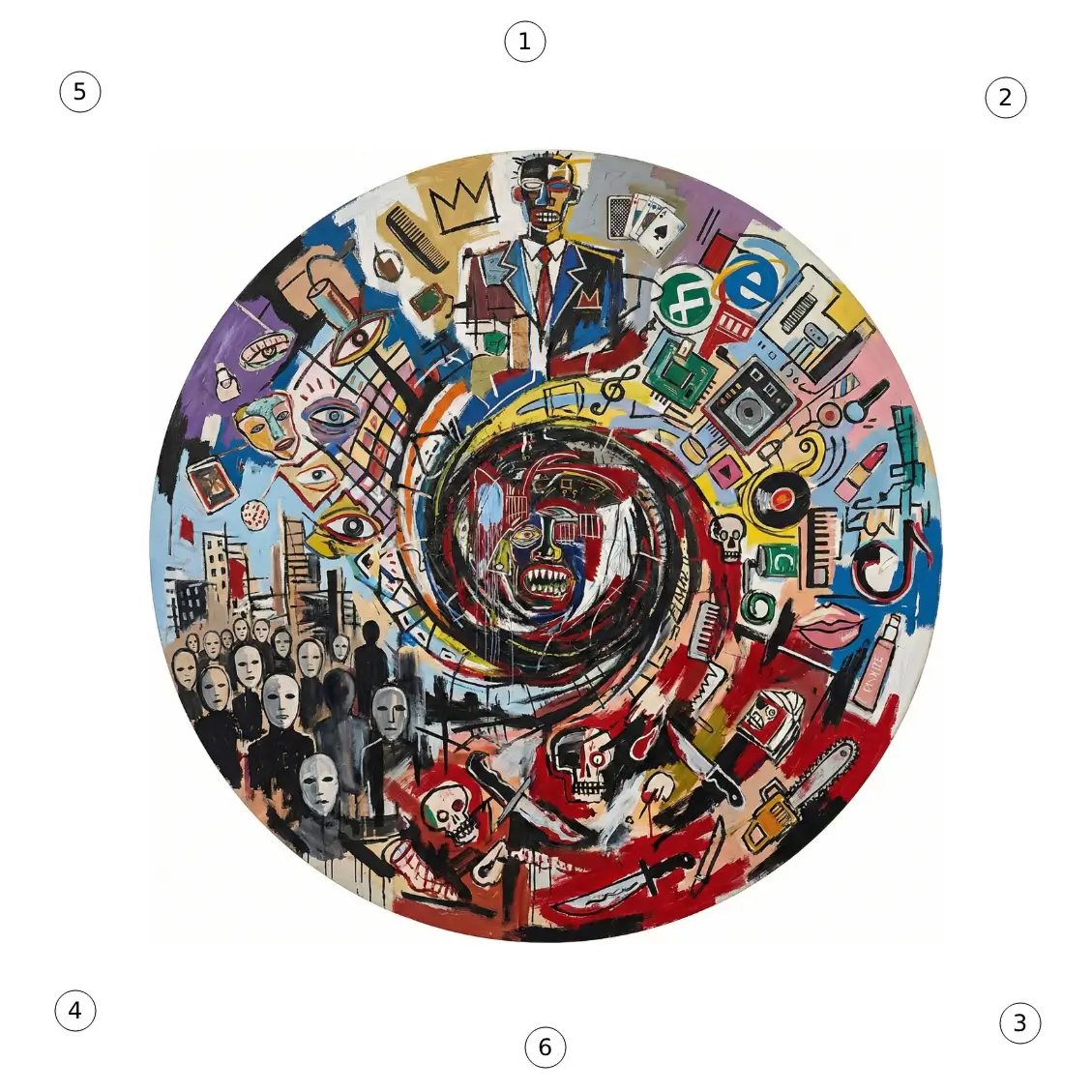
Some literary works do more than tell a story; they tear open a fissure in our perception of reality. American Psycho by Bret Easton Ellis is one of them. To reduce this controversial masterpiece to a satire of the 1980s
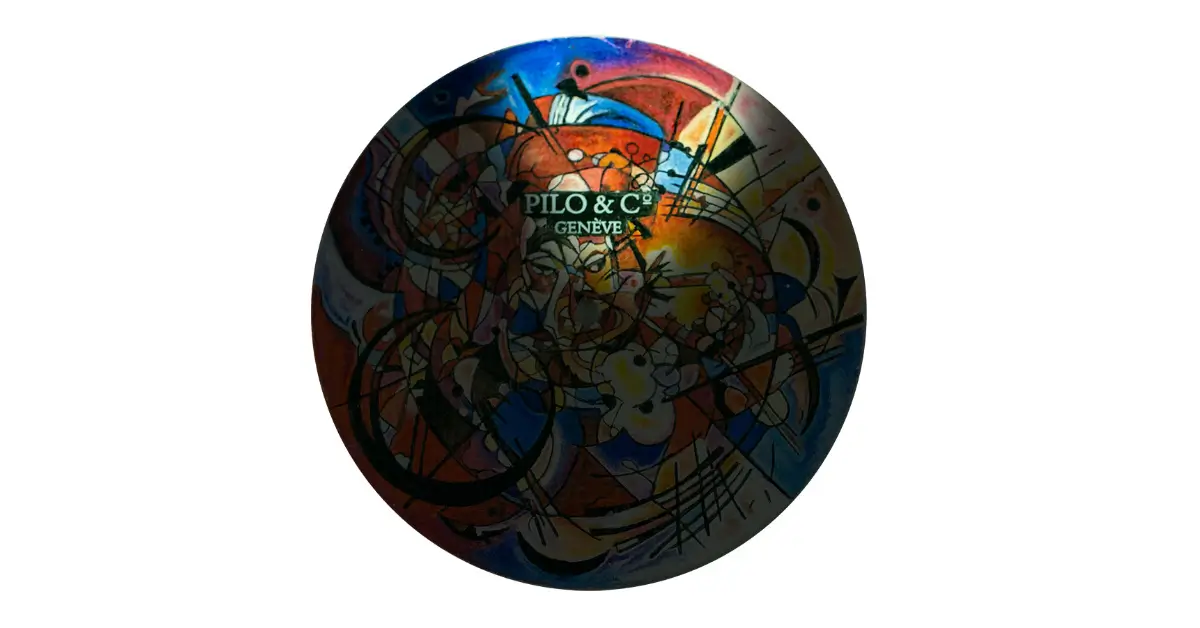
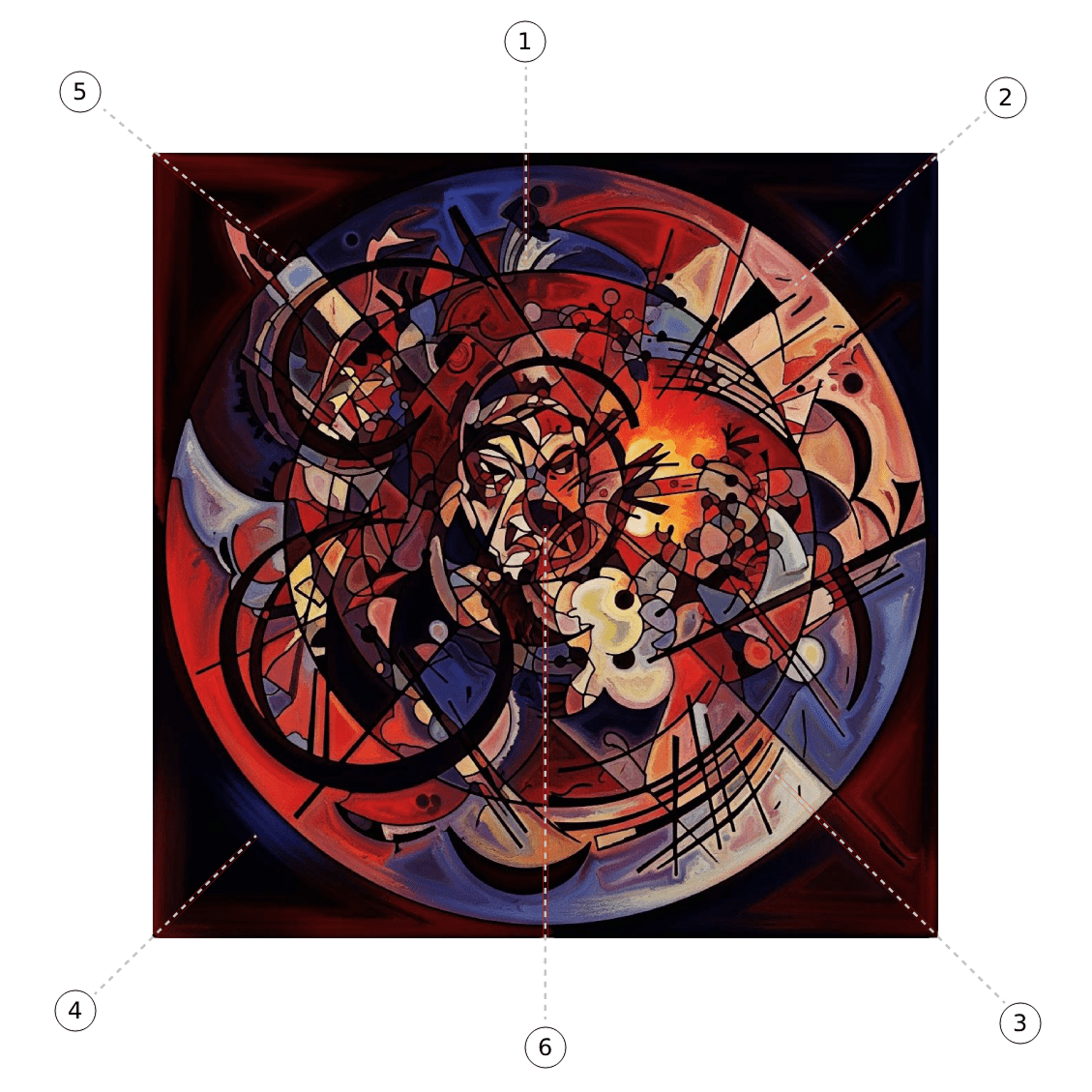
The first segment of the dial, devoted to the founding act of Crime and Punishment, cannot be apprehended as a mere narrative illustration.
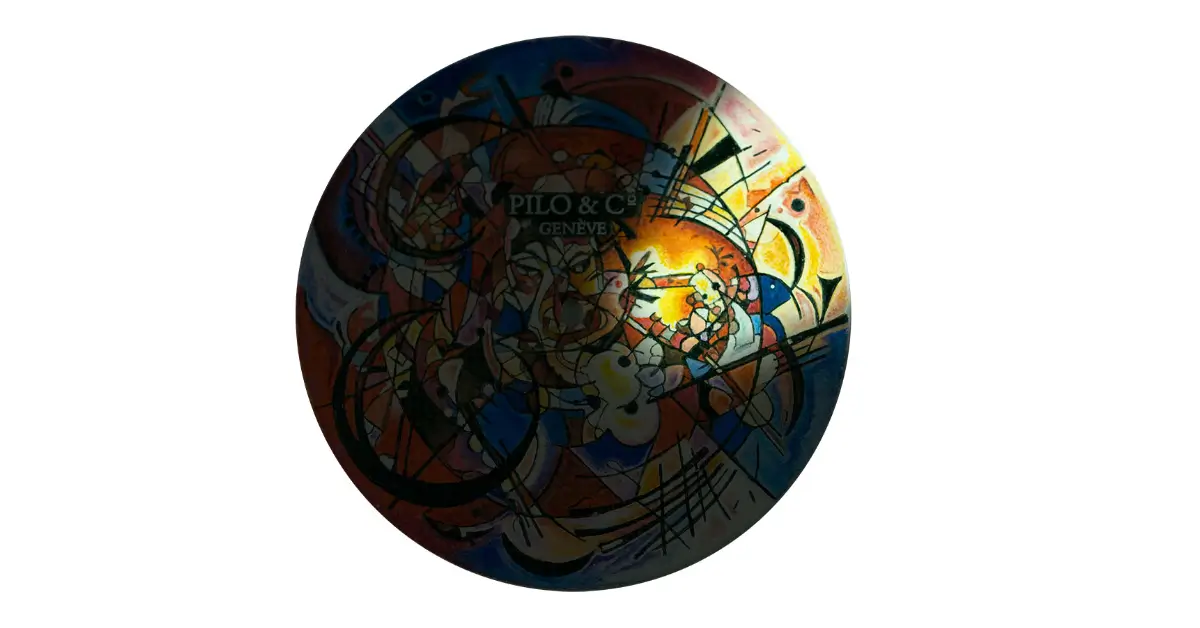
The second segment of this horological work focuses on Raskolnikov’s inner “punishment,” characterized by intense psychological turmoil, paranoia, and the dissolution of lucidity. Far removed from realistic figuration, the plastic translation of this suffering draws upon Kandinsky’s theory of dissonance,
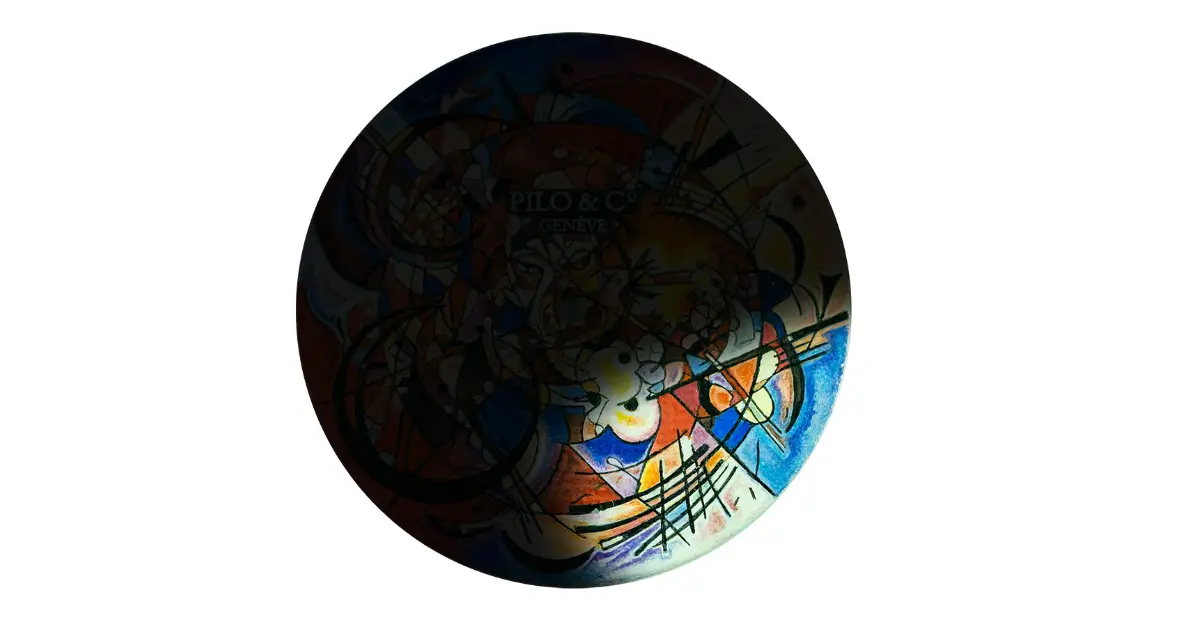
The third episode of the dial marks a pivotal transition: the irruption of the police figure and the establishment of an intellectual duel between the criminal and the examining magistrate, Porfiry Petrovich.
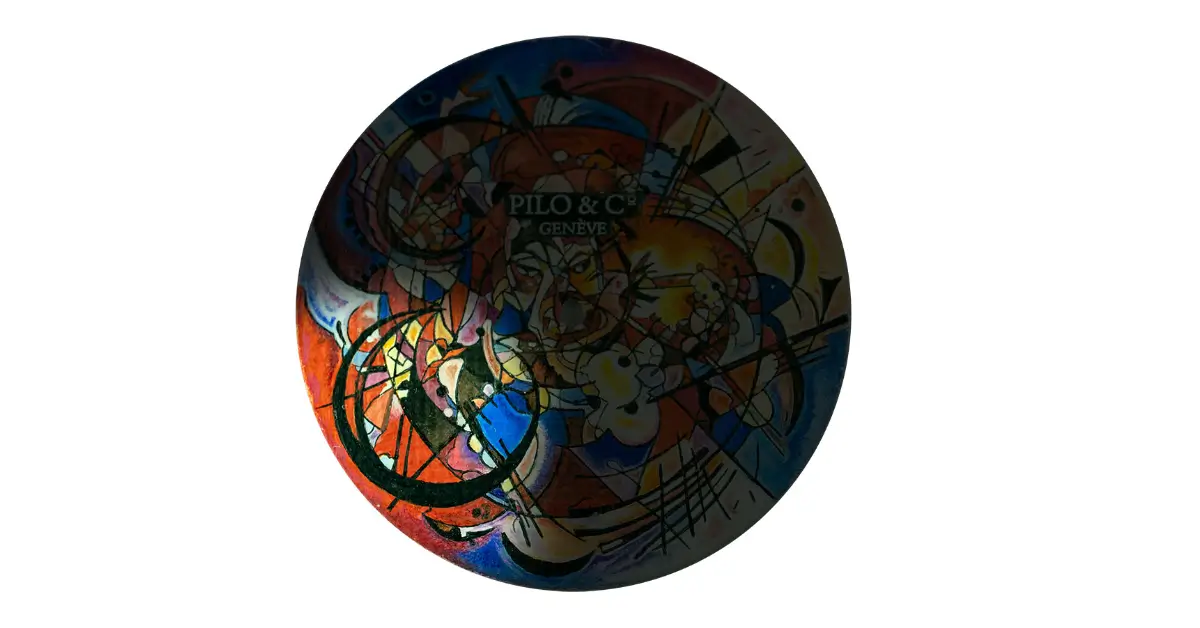
If the previous stages explored tension and encirclement, the fourth episode of the dial introduces a major semantic rupture through the use of contrasting forms.
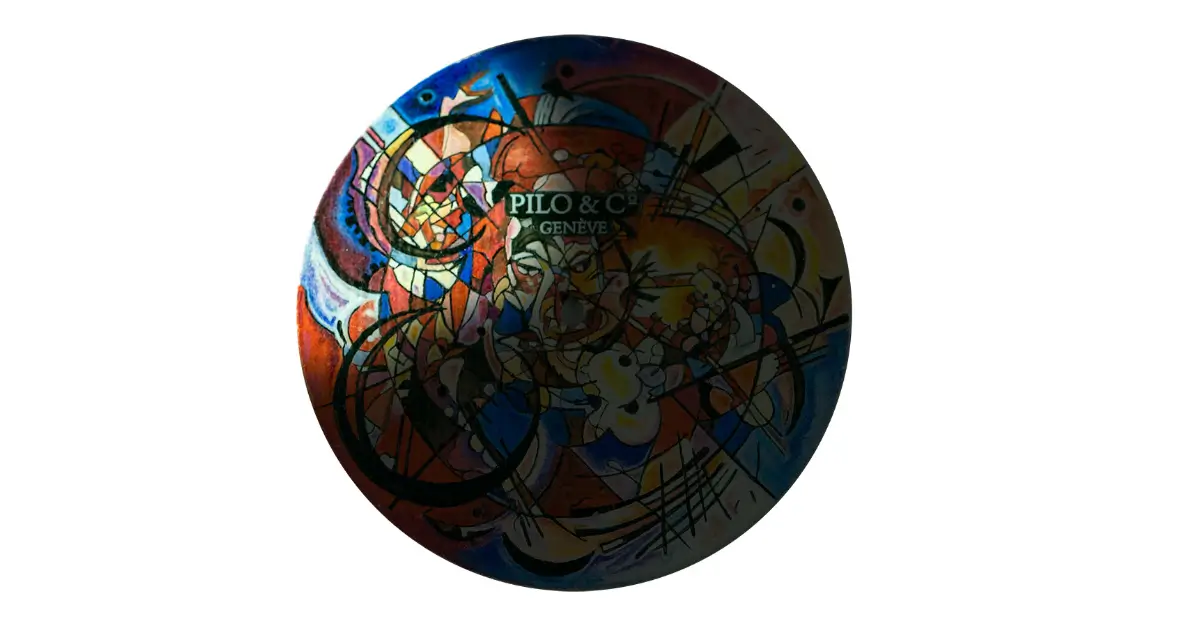
In this penultimate stage of the visual journey, the plastic challenge lies in representing the failure of rigid thought. If the beginning of the dial was dominated by the force of will, the fifth segment reveals the deliquescence of structures.
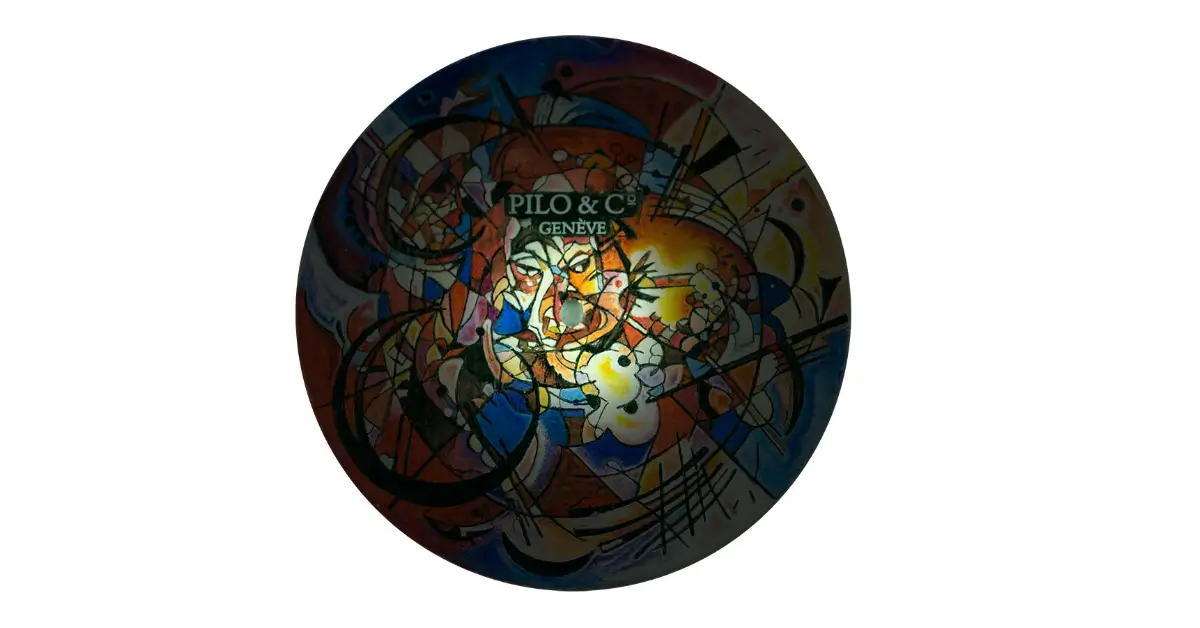
The sixth point of the dial, situated at the heart of the watch, constitutes the culmination of the spiritual journey. After peripheral turmoil, the composition converges toward a zone of resolution.